The Port of Morrow is highlighting its water reuse system that transforms industrial wastewater into a valuable resource supporting agriculture, renewable energy production, and long-term environmental stewardship across the region.
Through advanced treatment systems, nutrient management, and close collaboration with local farmers and industries, the port has developed a circular water system that supports both economic development and responsible resource management in the Columbia Basin.
Turning Industrial Water into Agricultural Opportunity
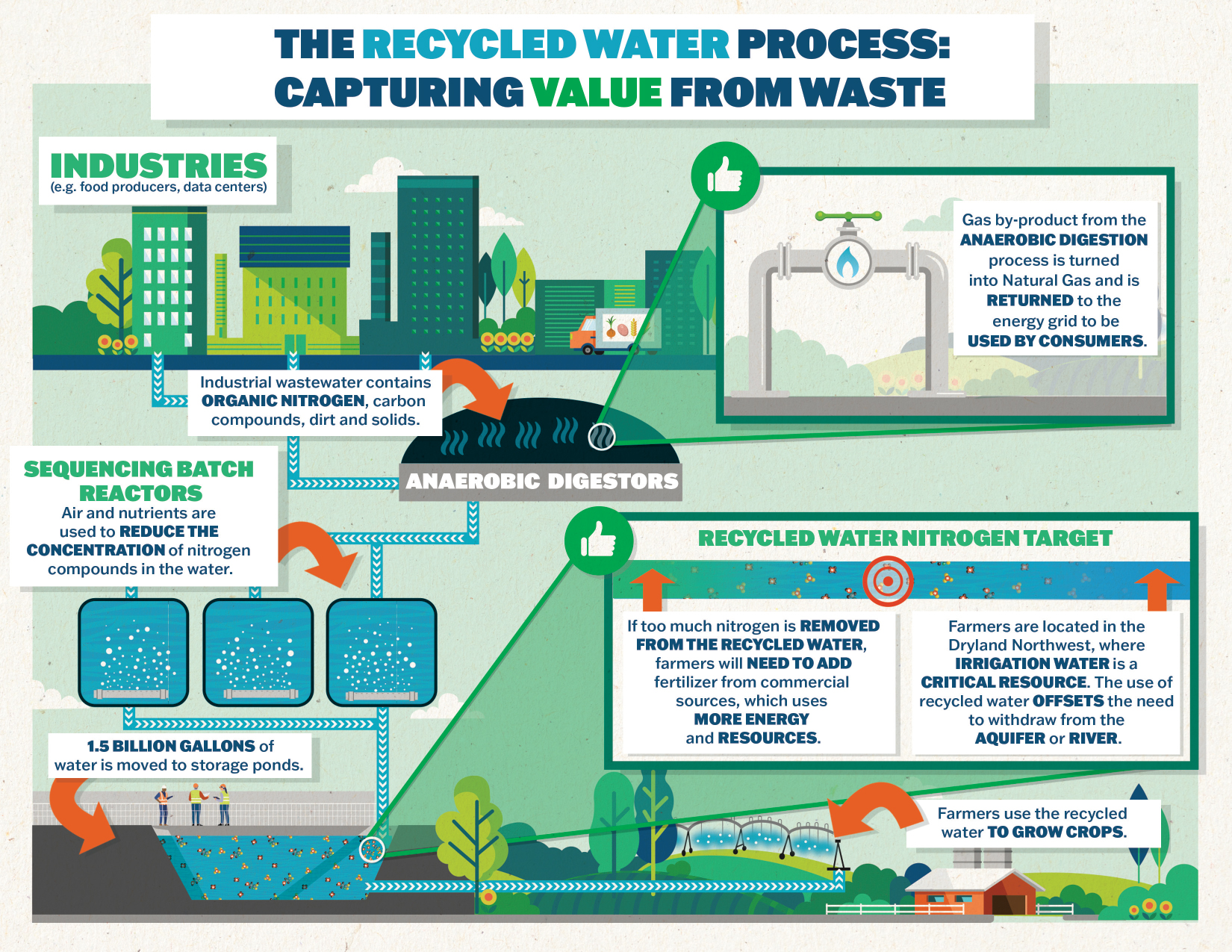
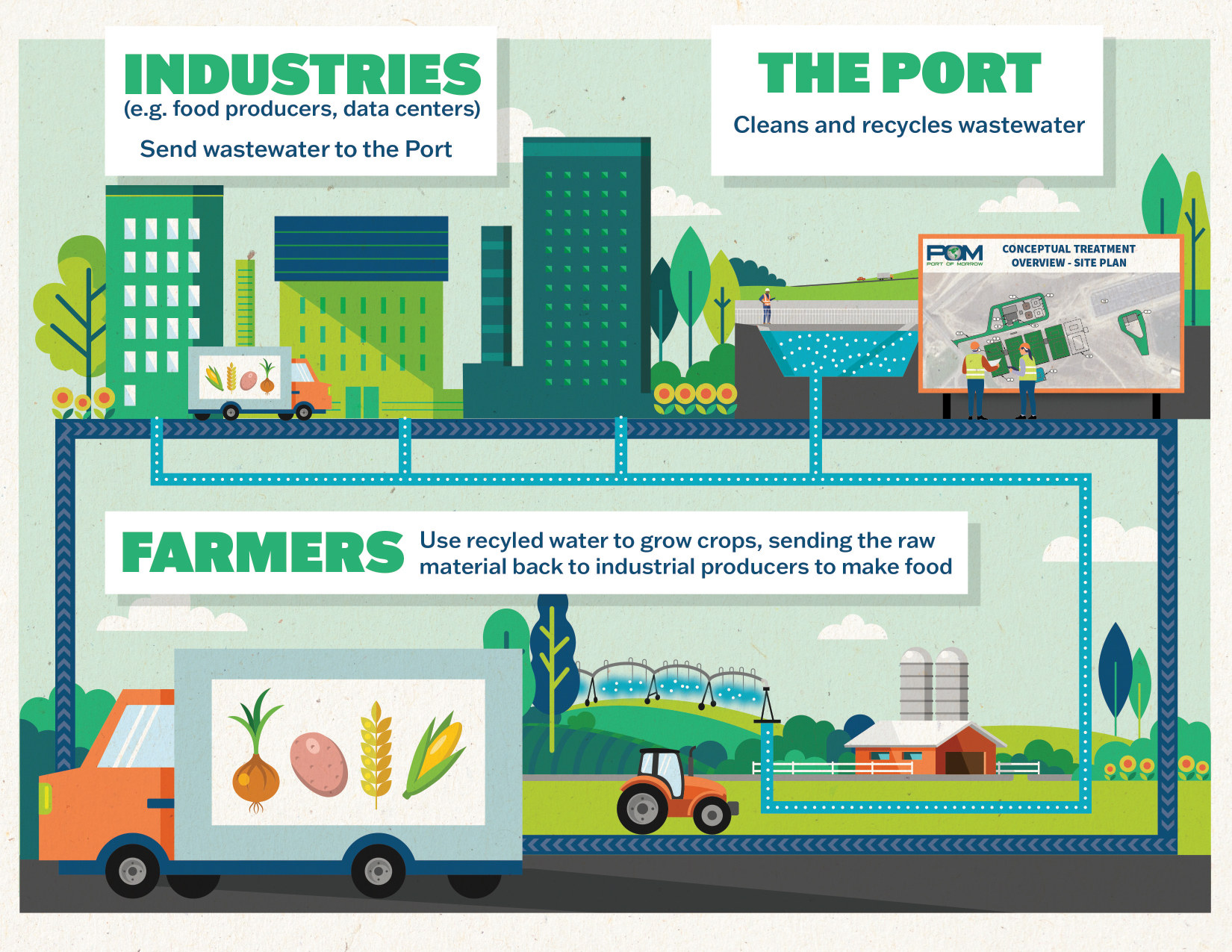 Food processing and industrial operations located at the port generate water during production activities. Instead of treating that water as waste, the Port of Morrow captures and treats it through a wastewater management system.
Once treated, reclaimed water is distributed to farms where it irrigates thousands of acres of cropland.
This circular system connects industry and agriculture in a mutually beneficial way:
- Food processors send wastewater to the port’s treatment facilities
- The water is stored and nutrients are carefully managed
- Reclaimed water irrigates crops that support regional agriculture
“Our goal has always been to turn challenges into opportunities,” said Lisa Mittelsdorf, Port of Morrow Executive Director. “Water reuse allows us to support farmers, conserve natural resources, and help our industries grow responsibly. It’s a model where economic development and environmental stewardship move forward together.”
Nutrient Recycling Benefits Crops
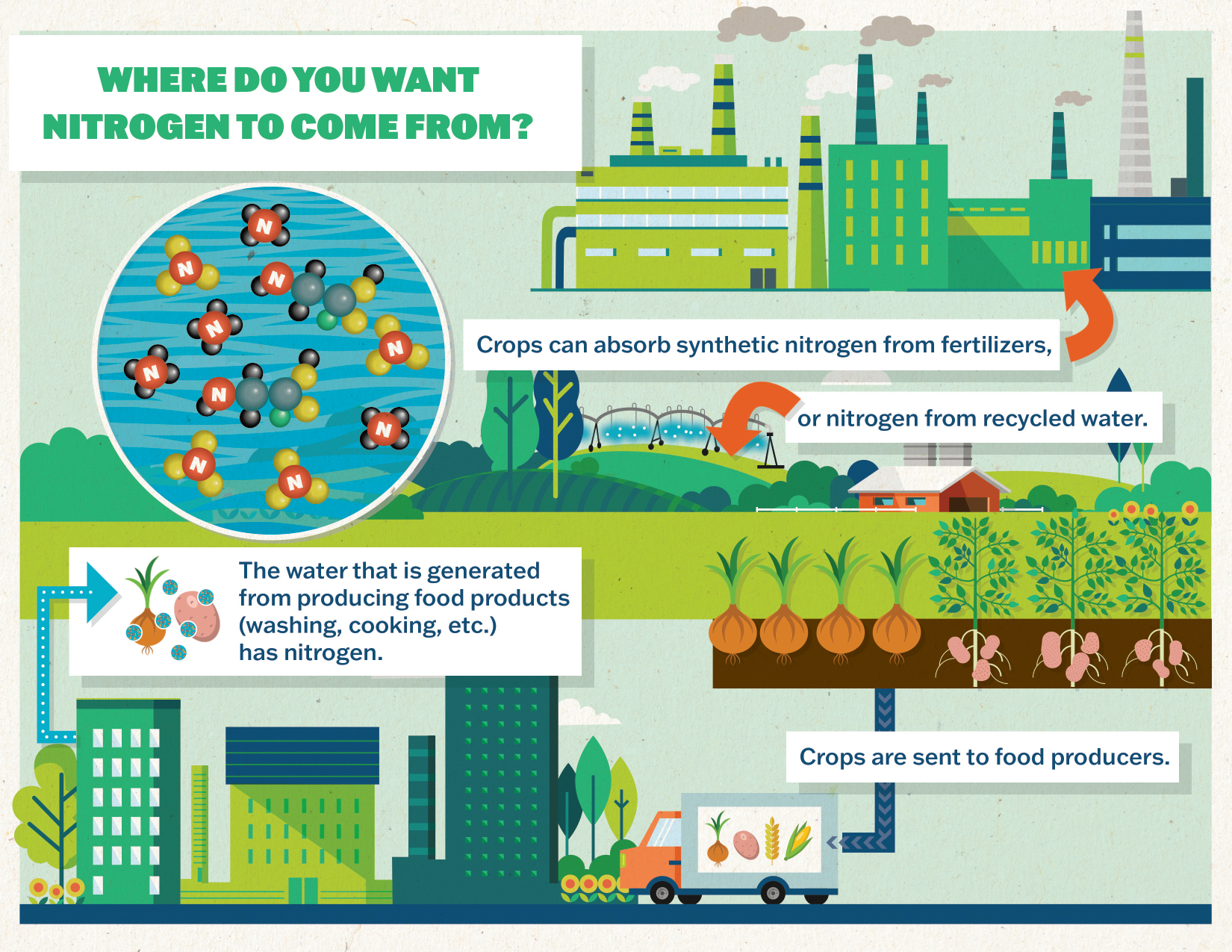
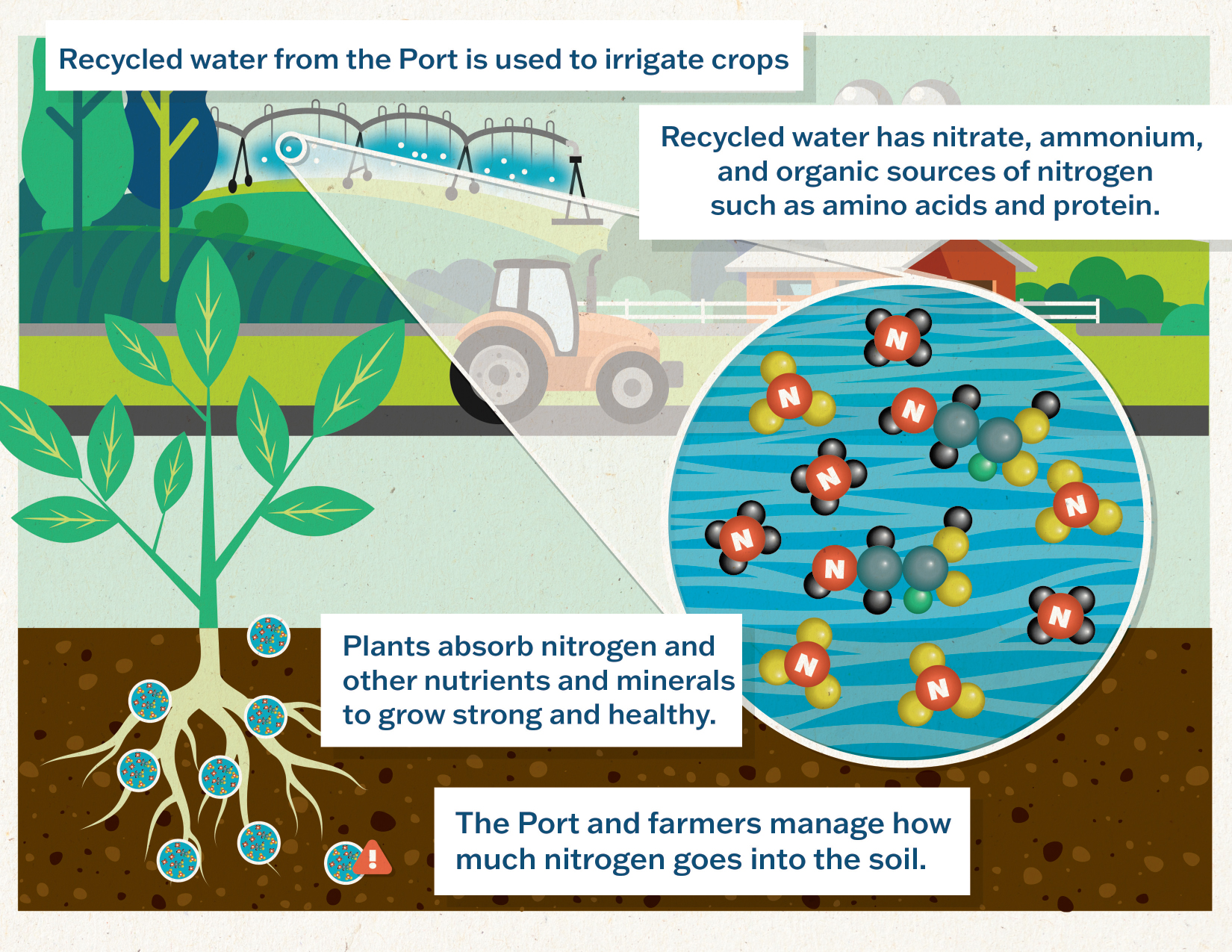 Reclaimed water produced through the reuse process contains naturally occurring nutrients from food production, including nitrogen compounds such as nitrate and ammonium as well as organic sources such as amino acids and proteins.
These nutrients can support crop growth and reduce the need for additional fertilizer inputs. Farmers work with the port to monitor nutrient levels and apply reclaimed water in a way that benefits soil health and crop productivity.
“Reusing water is not just about conservation,” the Executive Director said. “It’s about using resources more intelligently. The nutrients in reclaimed water can support crops while reducing the energy and cost required to produce synthetic fertilizers.”
Advanced Treatment, Monitoring, and Transparency
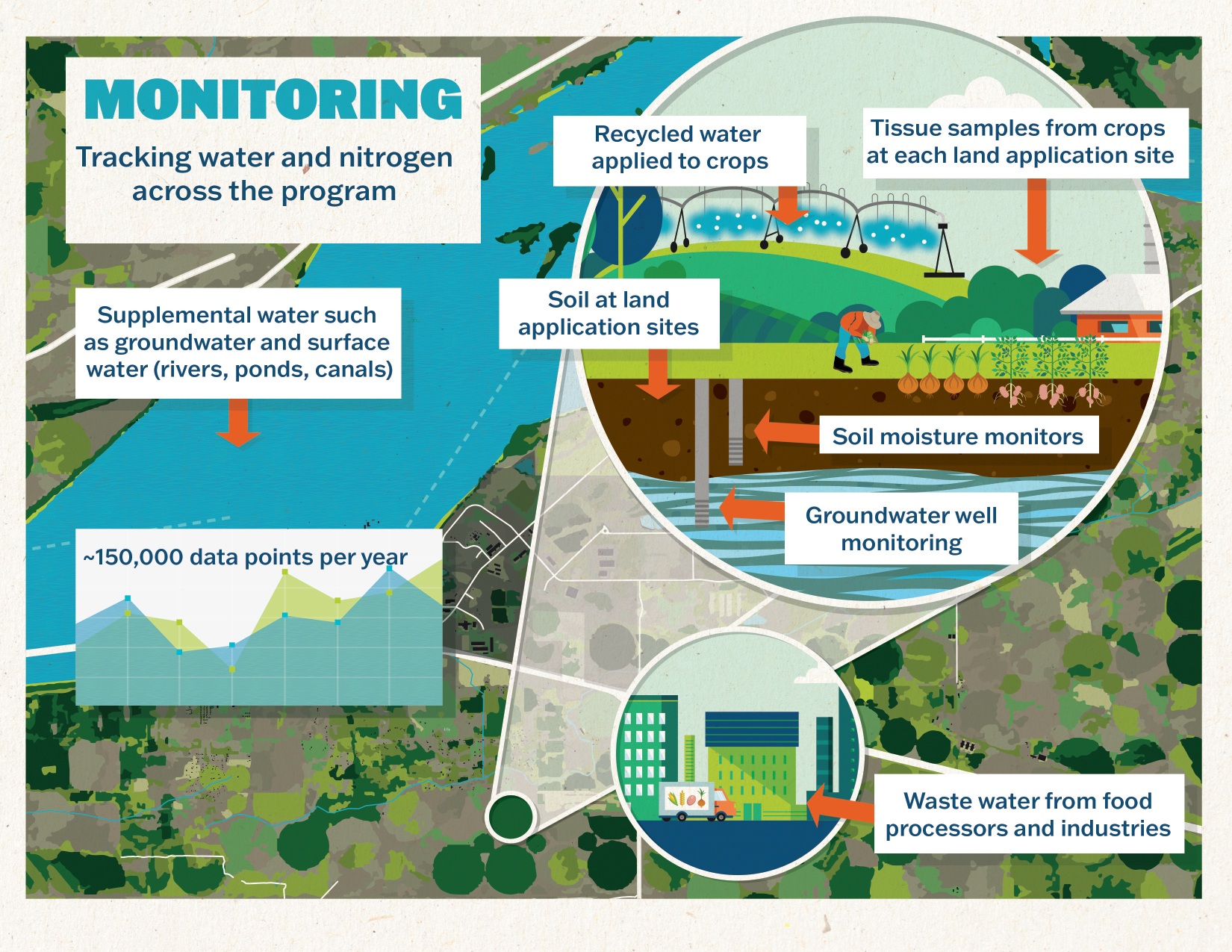 The Port of Morrow operates extensive wastewater treatment and monitoring systems designed to ensure reclaimed water is used safely and responsibly.
Key infrastructure includes:
- Anaerobic digesters that break down organic material in wastewater
- Storage ponds capable of holding approximately 1.5 billion gallons of water
- Ongoing environmental monitoring programs
The port collects approximately 150,000 environmental data points each year, including soil samples, crop tissue testing, irrigation records, and water quality monitoring.
The Executive Director emphasized the port’s commitment to transparency and accountability.
“We understand how important water is to our community,” Mittelsdorf said. “That’s why we have significantly expanded monitoring, testing, and reporting. Transparency and science-based management are central to how we operate and how we continue improving our systems.”
Renewable Energy from Waste
 Another benefit of the reuse process is renewable energy production.
Organic materials in wastewater are broken down in anaerobic digesters, producing biogas that can be captured and converted into natural gas and returned to the energy grid.
This process reduces waste while creating an additional renewable energy source for the region.
Protecting Regional Water Resources
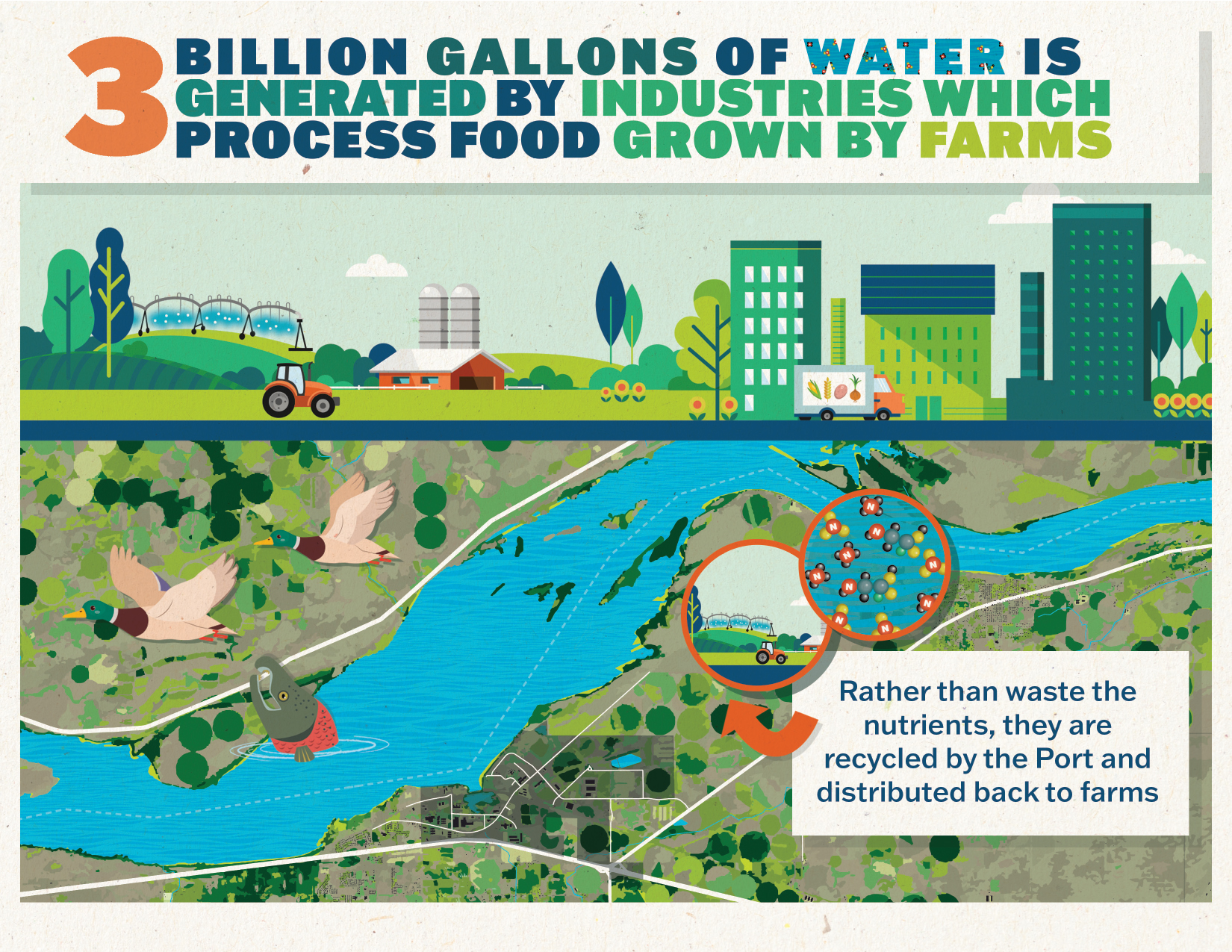
Located near the Columbia River, the port recognizes the importance of protecting regional water resources.
Water reuse helps conserve freshwater supplies while supporting agricultural irrigation needs in the dryland Pacific Northwest.
Benefits include:
- Reduced demand for freshwater withdrawals
- Improved water reliability for farmers
- Nutrient recycling that benefits crops
Investing in Future Water Infrastructure
The port is continuing to invest in infrastructure improvements and new technologies to ensure long-term water reliability and environmental protection.
“Our focus is on strengthening and expanding the infrastructure that supports safe water reuse,” said Mittelsdorf. “We’re investing in monitoring systems and long-term solutions that protect our environment and support sustainable growth for decades to come.”
The Executive Director added that collaboration remains essential.
“We remain committed to working with regulators, scientists, farmers, and community members. Our priority is ensuring water is managed responsibly while supporting the economic vitality of the region.”
A Model for Sustainable Industrial Growth
 Through strategic water reuse, industrial collaboration, and agricultural partnerships, the Port of Morrow demonstrates how industrial ports can grow responsibly while protecting natural resources.
By transforming wastewater into a resource, the port has built a circular system where industry, agriculture, and the environment all benefit.